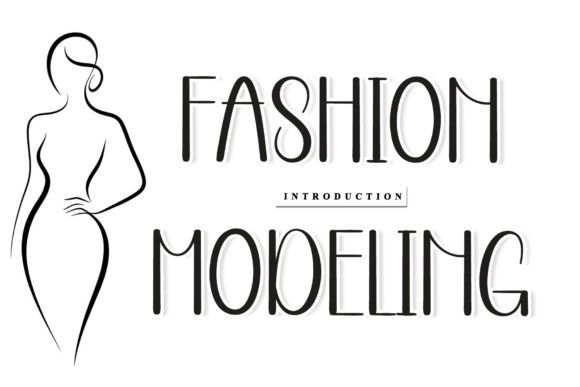
Fashion Modeling: A Handwritten Font for Modern Branding
There's a certain energy that a truly personal touch brings to a design. In a digital world saturated with clean, geometric sans serif fonts, a typeface with a human, organic feel can be a powerful differentiator. This is the space where the Fashion Modeling font excels. It’s not just a collection of letters; it’s a creative font with a distinct personality, designed to infuse projects with elegance, warmth, and a handcrafted quality. As a premium font, it offers a level of detail and character that sets it apart from standard script fonts.
The Visual DNA of the Fashion Modeling Typeface
At its core, Fashion Modeling is a beautifully fluid handwritten font. Imagine the graceful strokes of a skilled calligrapher, but with a modern, relaxed sensibility. The letterforms exhibit a natural variation in thickness, mimicking the pressure changes of a real pen or brush. This isn't a rigid, uniform typeface; it has a gentle bounce and flow that feels authentic. The connections between letters are smooth and intuitive, creating a seamless reading experience that draws the eye along the line.
The overall style strikes a careful balance. It's elegant enough for high-end branding but approachable enough for lifestyle blogs and social media graphics. Its personality is one of confident creativity—it's stylish without being pretentious, and expressive without sacrificing legibility. This makes it an incredibly versatile design asset. Whether you're aiming for a luxurious feel or a friendly, artisanal vibe, this typeface can adapt to the context, proving its worth as a true workhorse in a designer's toolkit.
Where This Creative Font Truly Comes Alive
Understanding a font's strengths is key to using it effectively. Fashion Modeling shines in applications where personality and visual impact are paramount. It's a natural fit for logo design, where its unique character can become the cornerstone of a memorable brand identity. Think of a boutique clothing label, a high-end cosmetics line, or a bespoke jewelry studio—the font instantly communicates style and craftsmanship.
Beyond logos, its applications are extensive:
- Branding and Collateral: It's perfect for creating cohesive brand assets like business cards, letterheads, and packaging design. A beautifully set brand name on a product box or a thank-you note can significantly enhance the unboxing experience and build customer loyalty.
- Editorial and Publishing: In editorial design, use it for pull quotes, chapter titles, or magazine headlines to break up dense body text and add a touch of sophistication. For bloggers and content creators, it can make article titles and social media graphics stand out in a crowded feed.
- Marketing and Advertising: For marketing campaigns, a display font like Fashion Modeling can make a call-to-action or a promotional message feel more personal and engaging. It's highly effective on social media posts, email headers, and digital ads where grabbing attention quickly is essential.
- Personal and Commercial Projects: The font is also a fantastic resource for personal projects. Crafters can use it for custom quotes, wedding invitations, or personalized gifts. Small business owners can leverage it to create a professional and polished look without the cost of a full design agency.
Practical Guidance for Designers and Creators
Choosing the right creative font is about more than just aesthetics; it's a strategic decision. Here’s how to evaluate and implement Fashion Modeling in your work.
Evaluating Project Fit and Readability
First, consider the project's primary goal. Is it to convey luxury, creativity, or approachability? The elegant, flowing nature of this typeface aligns well with the first two. For body copy, a handwritten font is rarely the best choice due to readability at small sizes. Its strength lies in being a display font—used for headlines, titles, and short, impactful phrases. Always pair it with a highly legible serif font or sans serif font for longer blocks of text. A clean sans serif like Montserrat or a classic serif like Lora can provide the perfect contrast, allowing Fashion Modeling to be the star of the show without compromising the overall readability of your design.
Testing and Implementation
Before committing, test the font in context. Type out your brand name, a key headline, or a sample quote. Pay attention to the spacing (kerning) between specific letter pairs. While modern typography software handles this well, a quick visual check ensures everything looks balanced. Review the included styles and glyphs. A quality premium font often includes alternate characters, ligatures, and swashes that can add a unique flair to your lettering. Experiment with these options to create custom lockups for your logo or branding materials.
Finally, always verify the licensing. Fashion Modeling is a commercial font, meaning you need to ensure your license covers your intended use—whether for a personal blog, a client's website, or physical products for sale. Respecting the font designer's work through proper licensing is a fundamental part of professional practice and supports the creation of more high-quality design assets in the future.
In the end, a typeface like Fashion Modeling is more than just a tool; it's a collaborator. It offers a voice—one that is expressive, stylish, and deeply human. By understanding its character and applying it thoughtfully, you can elevate your projects from simply looking good to feeling genuinely connected with your audience. It’s a timeless addition to any designer's or creator's library, ready to bring a unique and beautiful touch to your next great idea.