Hairy: A Typeface That Demands Attention
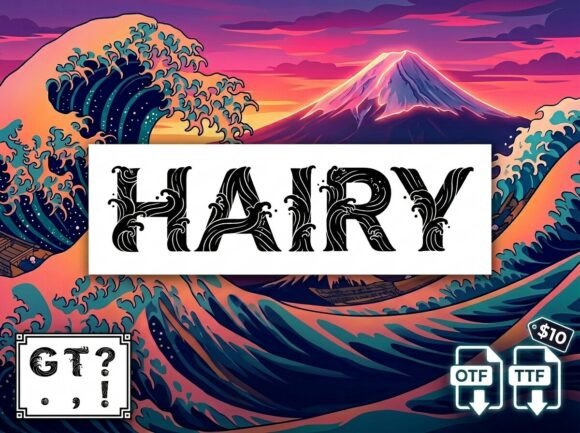
In a world saturated with clean sans serifs and elegant serifs, sometimes a project calls for a typeface with a bit more... personality. Enter Hairy. This isn't your everyday workhorse font; it's a premium display typeface crafted for moments that need to stand out. Think of it as the bold, artistic statement piece in your design toolkit. Hairy is built to be the visual anchor, featuring unique, decorative elements that give each letterform a strong, almost sculptural presence. Its appeal lies in that confident character—it's designed for creators who want to move beyond the predictable and inject a dose of high-impact artistry into their work.
Where Does Hairy Shine? Practical Applications
Understanding a font's ideal use cases is key to using it effectively. Hairy, as a decorative display font, thrives in scenarios where brevity and visual punch are paramount. It's not meant for body text, but rather for the elements that first catch the eye.
- Logo Design & Brand Identity: This is Hairy's natural habitat. A logotype set in Hairy can instantly convey a brand's creative, edgy, or artisanal personality. It’s particularly effective for boutique brands, indie studios, craft breweries, or any business wanting a logo that feels handcrafted and memorable. The all-caps design ensures every letter contributes to a unified, powerful mark.
- Editorial & Packaging Design: Use Hairy for magazine covers, chapter headings, or pull quotes to create dramatic emphasis. On packaging, it can make a product name pop on shelf, telling a story of uniqueness before the customer even reads the description. Think coffee bags, cosmetic labels, or specialty food packaging.
- Digital & Social Media Graphics: In the fast-scrolling world of social media, a bold headline set in Hairy can stop the scroll. It’s perfect for YouTube thumbnails, Instagram story headers, podcast cover art, and website hero sections where you need to make an immediate impression.
- Creative & Personal Projects: Don't limit it to commercial work. Hairy can elevate personal projects like wedding invitations for a modern couple, striking poster art, custom apparel designs, or even unique home décor prints. Its artistic flair adds a professional polish to hobbyist creations.
The Strategic Impact of a Bold Typeface
Choosing a typeface like Hairy goes beyond aesthetics; it's a strategic decision that influences how your message is perceived. Its strong visual personality directly impacts key aspects of communication and design effectiveness.
First, it establishes a clear visual hierarchy. By using Hairy for your primary headline or key phrase, you create an unmistakable focal point that guides the viewer's eye exactly where you want it. This clarity is crucial in both print and digital layouts. Second, it profoundly shapes brand perception. The artistic, slightly unconventional character of Hairy can position a brand as innovative, creative, and confident. It tells the audience you value design and aren't afraid to be different, which can foster stronger brand recognition and emotional connection.
However, this power comes with responsibility. Readability in a display font like Hairy is context-dependent. While each letter is a work of art, the decorative details mean it's best suited for short phrases—think headlines, logos, and initials. Using it for a paragraph of text would sacrifice readability. The key is to pair it thoughtfully. A classic, highly readable serif font or a clean sans serif font for body text will provide a perfect counterbalance, allowing Hairy to command attention without overwhelming the design. This practice of font pairing is essential for creating professional, polished layouts that maintain both flair and function.
A Practical Guide to Working with Hairy
Ready to put Hairy to work? Here’s how to approach it methodically to ensure success in your projects.
- Evaluate Your Project's Fit: Before downloading, ask: Does my project need a strong, decorative headline element? Is the tone artistic, bold, or artisanal? If the answer is yes, Hairy is likely a strong candidate. If you need a font for extensive body copy, look elsewhere.
- Test Font Pairings Early: Don't design in isolation. Grab your body copy font (a neutral serif or sans serif works well) and test it alongside Hairy in a quick mockup. See how they interact. The goal is harmony, not competition. Hairy should be the star, with the secondary font playing a supporting role.
- Review the Included Files: You'll receive OTF and TTF files. The OTF file is generally preferred for design software like Adobe Illustrator or InDesign as it supports advanced typographic features. The TTF file offers broad compatibility across operating systems and basic design tools. Use whichever suits your workflow.
- Remember the All-Caps Nature: This is critical. Hairy is an uppercase-only display typeface. Plan your copy accordingly. This works perfectly for acronyms, short titles, and logos, but you cannot use it to set a sentence with lowercase letters. Embrace this constraint as part of its stylistic strength.
- Understand the Licensing: As a commercial font, ensure you have the appropriate license for your intended use—whether it's for a client project, merchandise for sale, or a personal blog. Clear licensing protects you and respects the creator's work.
Ultimately, Hairy is more than just a creative font; it's a versatile design asset for anyone looking to inject a dose of visual confidence into their work. By understanding its personality and applying it strategically, you can leverage its unique character to create headlines that captivate, logos that linger, and brand identities that truly stand apart. It’s a tool for making a statement, one beautifully crafted letter at a time.